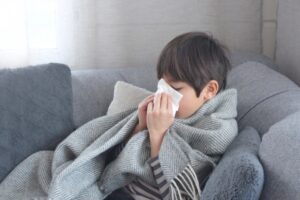

More Than Just a Fever:Is Your 'Flu' Actually a Hantavirus Warning?
Is Hantavirus really that serious?
While many focus on the seasonal flu, a "silent roommate" has lived in our shadows for decades.
Since 1984, Hantavirus has been documented in Indonesia, often hiding in storage rooms and fields. With no specific cure and a fatality rate that can hit 50% in certain regions, understanding this threat is vital. We all have that "messy" corner—a dusty garage or a shed unopened for months.
These are the favorite hideouts for rats and shrews that carry Hantavirus, a serious infection that jumps from rodents to humans.
Why the World is Watching
・A Deadly Reach: In certain regions, the fatality rate can hit 50%.
・Human-to-Human Risk: While rare, the Andes virus in South America has shown limited spread between people through close contact.
・No "Magic Pill": There is currently no licensed vaccine or specific antiviral treatment available for general use.
・Vaccine Reality: While regional vaccines like Hantavax exist in places like South Korea, a globally standardized vaccine program is still under evaluation.
But wait—don't be too worried, I have some good news! Actually, your best "prescription" isn't found at the pharmacy—it’s in your cleaning bucket. To help you and your family navigate these risks safely, feel free to use this roadmap as your guide to spotting the signs early and keeping your home a safe, virus-free zone.
GUIDE TO HANTAVIRUS
1. First, let's look at what we're dealing with:
- What it is: Hantaviruses belong to the family Hantaviridae (within the order Bunyavirales) and cause serious viral infections transmitted from rodents to humans.
- The Reservoir: Each virus is typically associated with a specific rodent species (like rats or shrews), where it causes long-term infection without making the animal appear ill.
- Human Impact: While many hantavirus species have been identified worldwide, only a limited number are known to cause human disease.
- Nature: It is a zoonotic disease, meaning it naturally lives in animals and only occasionally jumps to people
- Regional Differences: The type of illness depends on your location:
- The Americas: Hantaviruses in North, Central, and South America cause Hantavirus Cardio-Pulmonary Syndrome (HCPS) and The case fatality rate was up to 50%.
- The Andes Virus Exception: A specific strain in this family, the Andes virus, is found primarily in Argentina and Chile. Unlike most other strains, it is known to cause limited human-to-human transmission among individuals in close and prolonged contact.
- Europe and Asia: Strains here cause Haemorrhagic Fever with Renal Syndrome (HFRS). Notably, human-to-human transmission has not been documented in this part of the world. The case fatality rate was of <1–15%.
2. Here is how it actually spreads (it's not just bites!):
Most people don't realize that you don't even need to see a rodent to get sick. It usually happens through:
- Inhaling Contaminated Air (Most Common): Breathing in microscopic dust particles contaminated with dried rodent urine, droppings, or saliva.
- Direct Contact: Touching rodent waste and then touching your eyes, nose, or mouth before washing your hands.
- Contaminated Food/Water: Consuming items that have been tainted by rodent excretions.
- Bites or Open Wounds: Direct rodent bites or virus entry through broken skin.
3. These are the symptoms I want you to watch for
Initial symptoms often mimic the flu but can progress rapidly. Seek medical help if you experience:
- Timeline: Symptoms usually appear 1 to 8 weeks after exposure.
- Early Phase: Watch for sudden high fever, severe headache, and intense muscle aches—especially in the back and thighs.
- Advanced HFRS (Asia/Europe): Can lead to low blood pressure, red spots on the skin (bleeding), and kidney failure.
- Advanced HCPS (Americas): Progresses rapidly to severe coughing and shortness of breath as fluid fills the lungs.
4. Understanding why early medical care is our best tool:
- No Specific Cure: Currently, there is no licensed antiviral drug or vaccine to "cure" Hantavirus directly.
- Supportive Care: Doctors focus on intensive monitoring and supporting your body’s organs while you fight the virus.
- Early Access: Heading to your nearest clinic or healthcare facility for supportive care is the absolute key to improving survival rates.
5. Finally, my "3S Rule" to keep your family safe:
- Safe Cleaning: NEVER SWEEP dry rodent droppings; this launches the virus into the air. Always spray the area with disinfectant first and let it soak for 5 minutes before wiping it up.
- Seal and Secure: Fix any holes in your walls and store all food (including pet food) in tightly sealed, rodent-proof containers.
Soap is Your Defense: Always wash your hands with soap and water for 40–60 seconds after cleaning or being in areas where rodents might live.
Conclusion
Hantaviruses are a major public health concern because they can be deadly and lack a specific cure. While human-to-human transmission is extremely rare, the high fatality rate means environmental control is essential. If you feel sick after cleaning a dusty area, see a doctor immediately.
If you have any concerns, please feel free to consult us at any time.
\ 最新情報をチェック /